Mary Ellen Angland
In Kenya, good food often goes to waste while millions struggle to get enough to eat. Strong local partnerships and the practical use of technology are helping surplus food reach the people who need it most.
Food Banking Kenya is working with FoodCloud to change how surplus food is distributed. Using FoodCloud's food rescue platform, Foodiverse, Food Banking Kenya has redistributed the equivalent of 6 million meals since late 2023, providing food to thousands of people experiencing food insecurity.
By connecting food donors with local beneficiary agencies, Foodiverse ensures surplus food moves more quickly and cost-effectively, even during climate challenges. This work also advances the Sustainable Development Goals, particularly SDG 2 (Zero Hunger), SDG 12 (Responsible Consumption and Production) and SDG 13 (Climate Action).
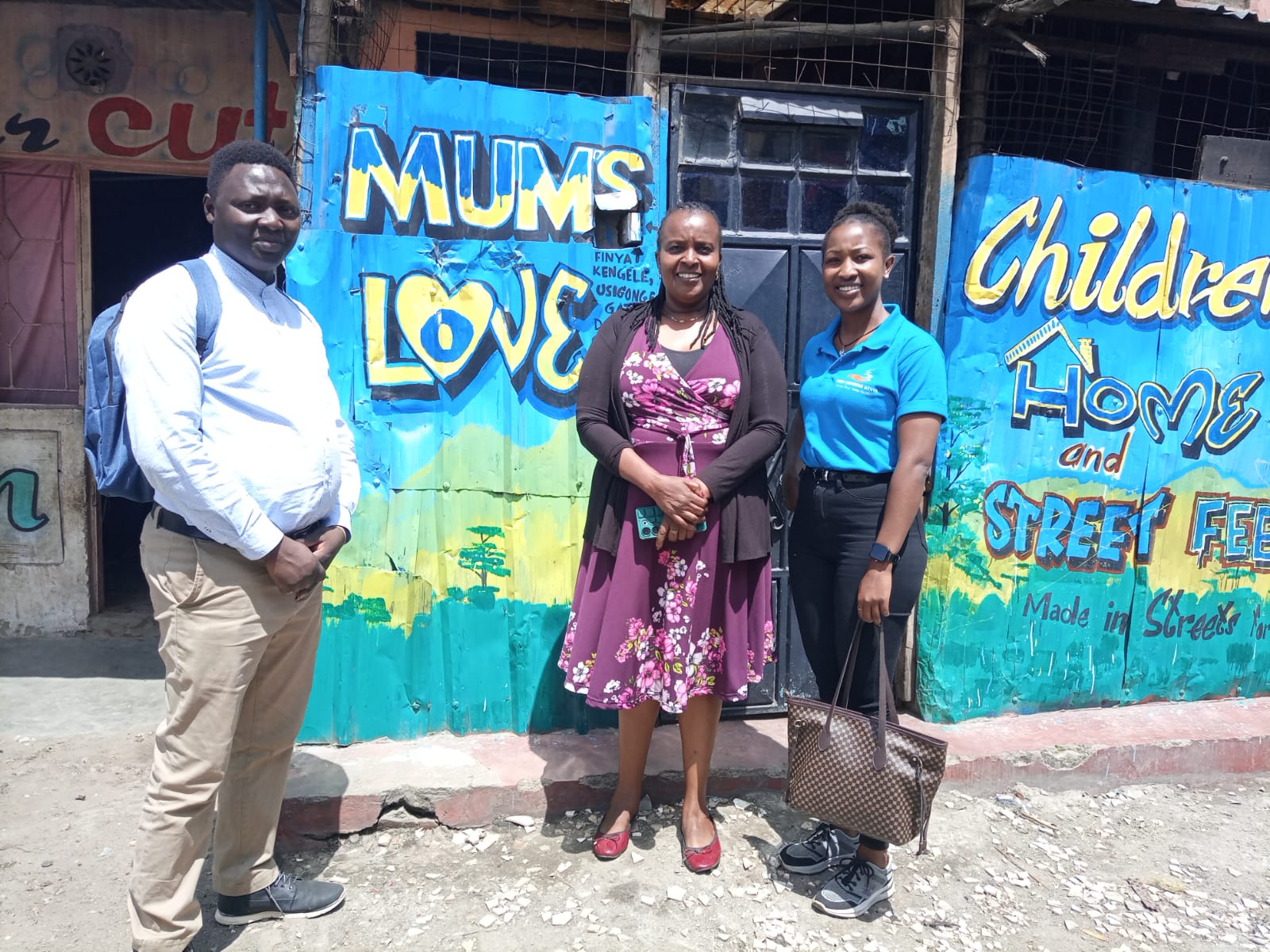
Community impact: Mum’s Love Children’s Home in Nairobi
At Mum’s Love Children’s Home in Nairobi, the team supports orphans, vulnerable children and local families through a children’s home, a school and a community feeding programme. With Foodiverse, the home can now consistently access fresh and nutritious food. The director, Alice Mwende Kanini, explains that thanks to the food that is donated weekly, she was able to start a community feeding programme where 150 people get a meal from Monday through to Sunday.
“It has been fantastic,” she says. “I am able to get enough food for the children I take care of. I get a variety of fruit and vegetables in the market. I also get vegetables like eggplant, snow peas and fine beans that are able to sustain us. We are also spending less on fueling our cars as we do not collect food from the warehouse which is more than 20km, now we collect from a packhouse that is 5km away, saving money and time.“
She explains that access to more nutritious food has improved the children’s health and helped them concentrate better in class. With lower food costs and the ability to support more people, Alice can now focus on other priorities, like school fees and expanding programmes. This has made it possible to open a school serving 200 children up to fourth grade.
She also reflects on the challenges of climate and rising food prices: “The cost of food has risen in the last three years due to inconsistent rain as well as flooding in 2024 that affected a lot of food products. Due to the consistent food that we collect from the market, we are able to get enough food. Although the food varies with seasons, there is always something. Some seasons we have a lot of mangoes, others we have a lot of cabbage, oranges or even kale. Due to drought, we have seen an increase in the number of people seeking food assistance.”
In Kenya, community-led food banking, supported by Irish technology and strong local partnerships, is helping surplus food reach people who need it most. For organisations like Mum’s Love Children’s Home, this means more reliable meals, lower costs and greater stability for children and families, even as food prices rise and the climate becomes more unpredictable.


.png)
.jpg)


